



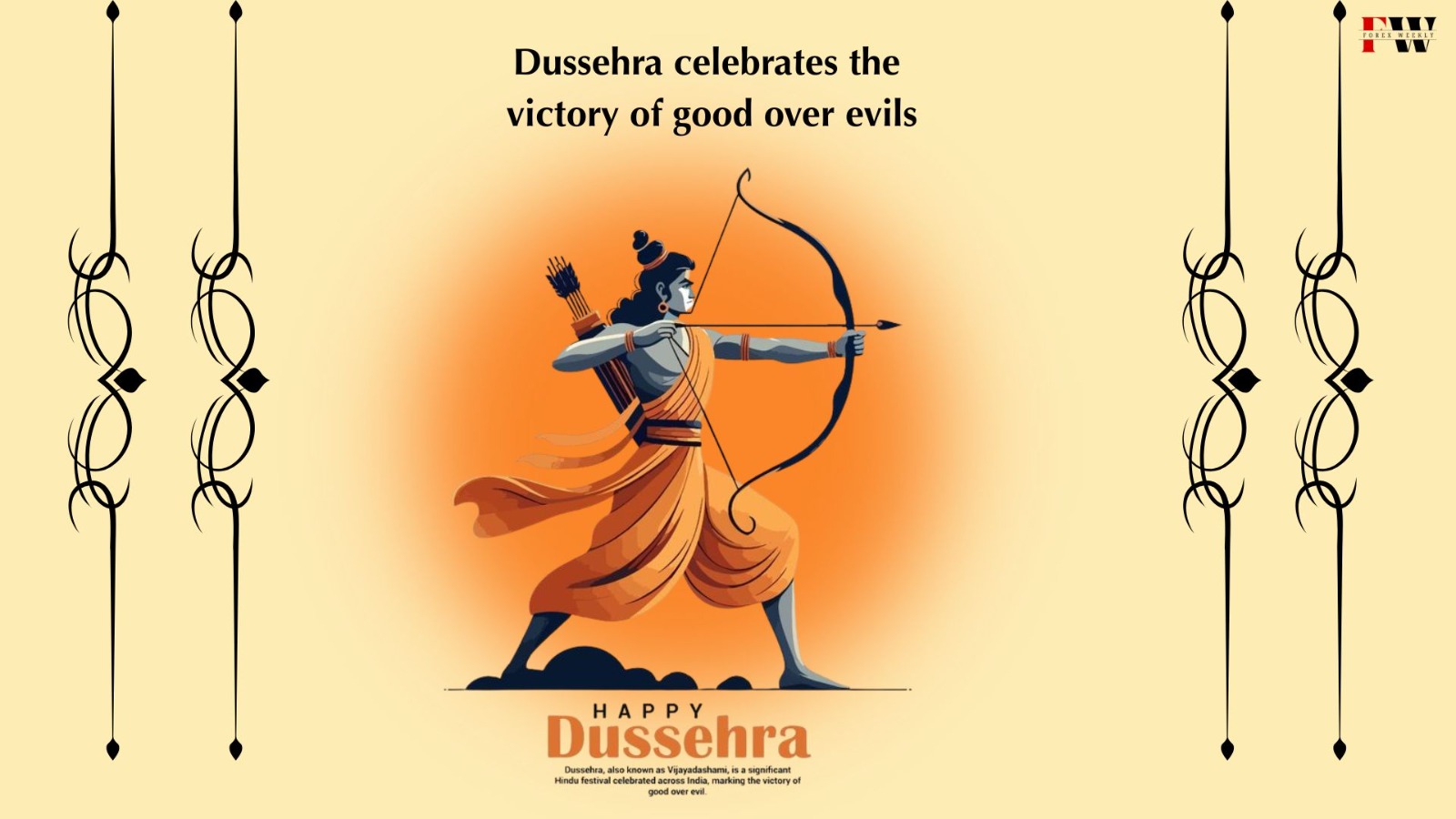
Dussehra, also called Vijayadashami, is one of Indiaâs most loved festivals. It is celebrated on the tenth day after Navratri, generally in September or October. The festival spreads a powerful message: truth, goodness, and courage always defeat evil.
Dussehra is mainly connected with the story of Lord Rama and Ravana. According to the Ramayana, Ravana kidnapped Goddess Sita. Lord Rama, along with Lakshmana, Hanuman, and his army, fought bravely to bring her back. After a long battle, Lord Rama defeated Ravana. This victory is remembered every year with great joy and devotion.
In many cities and towns, people organize Ramlila programmes before Dussehra. Artists act out important events from Lord Ramaâs life. On the final day, huge effigies of Ravana, Kumbhakarna, and Meghnad are filled with crackers and burnt in open grounds. When the effigies burn, people celebrate the end of evil and the victory of righteousness. Children enjoy the lights, sweets, fairs, and colourful celebrations.
In some regions, especially West Bengal, Dussehra is linked with Goddess Durga. She is worshipped for nine days during Durga Puja. On Vijayadashami, devotees bid farewell to the Goddess and immerse her idols in rivers or ponds. This shows respect, gratitude, and faith.
Dussehra is more than a festival of celebrations. It teaches us important values for daily life. We should try to remove bad qualities such as anger, jealousy, greed, and dishonesty from our hearts. Like Lord Rama, we should choose the path of truth, kindness, and discipline.
The festival also brings families and communities together. People meet one another, exchange greetings, enjoy delicious food, and take part in cultural programmes. Dussehra gives us new energy and hope. It reminds us that no matter how strong evil may seem, goodness will always win in the end.