



daily feed
De Minimis Loophole Closed: How US Trade Policy Changes Could Ripple Through Markets
By ashusharma02•Published: 2026-08-17•6 min read
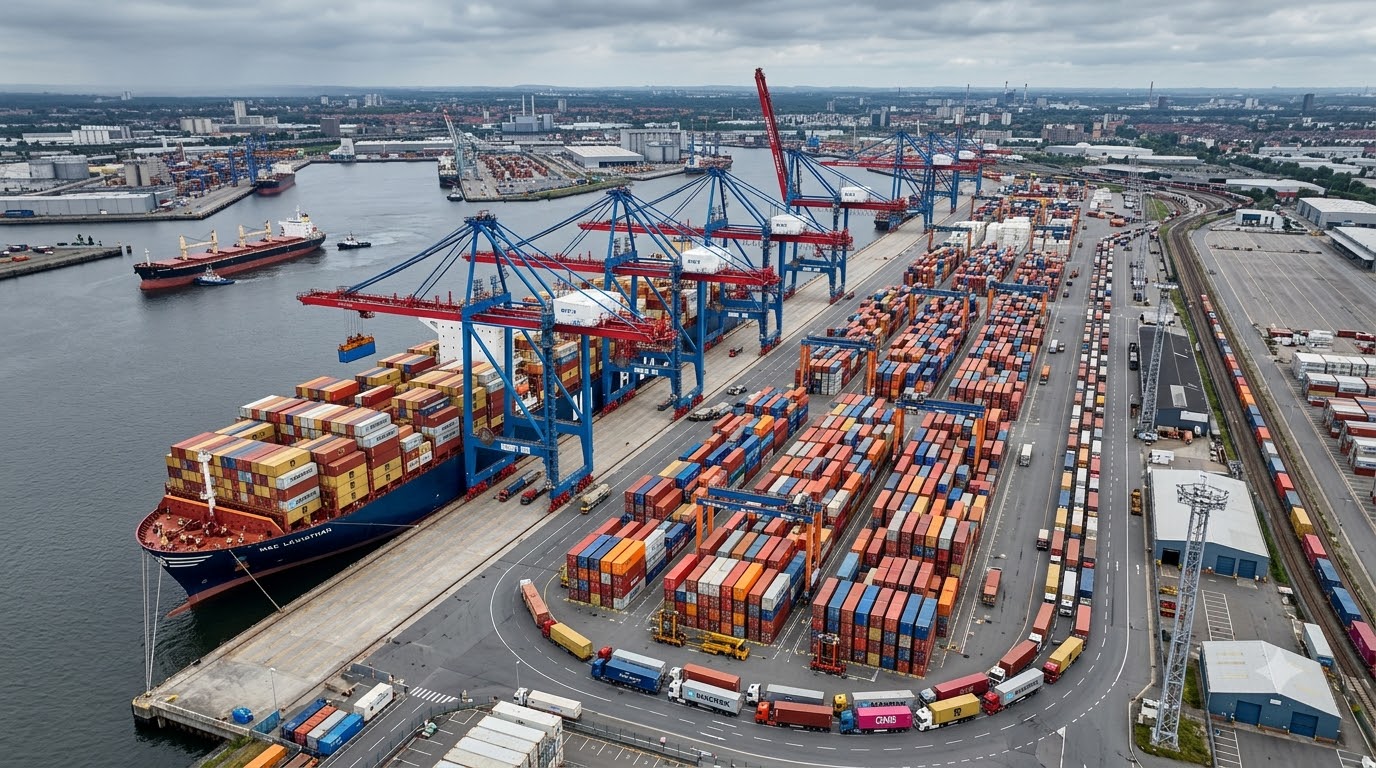
A U.S. trade-court ruling has reinforced the administration’s decision to end the “de minimis” exemption, a policy that previously allowed qualifying imports valued below $800 to enter the country without normal duties. The Court of International Trade ruled that the president had the authority to rescind the privilege under emergency-powers legislation.reuters
The decision matters because millions of small parcels—particularly from China, Mexico and Canada—were able to reach U.S. consumers without the tariffs and customs procedures applied to higher-value shipments. Removing that treatment means retailers, online marketplaces and consumers may face higher landed costs, more paperwork and slower delivery times.
The immediate economic effect may be uneven. Businesses could respond by raising prices, absorbing the additional costs or changing their supply chains. If import costs rise across a wide range of consumer goods, markets may begin to price in renewed inflation pressure. That could complicate the Federal Reserve’s interest-rate outlook, particularly if inflation is already proving difficult to control.
For the U.S. dollar, the policy creates competing forces. Higher tariffs and stronger demand for U.S. goods could offer some support, while fears of weaker trade, slower consumption and retaliation from trading partners could weigh on the currency. The dollar may initially benefit from safe-haven demand if investors view the ruling as a sign of broader trade escalation, but sustained uncertainty could increase volatility rather than produce a clear one-way trend.
The currencies most exposed may be those of major trading partners. The Chinese yuan, Mexican peso and Canadian dollar could face pressure if markets expect weaker export demand or additional tariff measures. However, the reaction will depend on retaliation, exemptions, negotiations and the actual pass-through into consumer prices.
The ruling also has longer-term implications for e-commerce. Companies that built their business models around low-value, duty-free shipping may need to move inventory closer to U.S. customers, renegotiate supplier contracts or raise minimum order values. Congress has separately acted to end the exemption from July 2027, adding to the policy’s longer-term certainty.
For traders, the key indicators are U.S. inflation data, retail sales, trade retaliation and Treasury yields. The de minimis decision is not just a customs story—it is another potential channel through which trade policy can influence prices, growth and currency markets.
Report Author
View Research Team →ashusharma02
Related Analyses
2026-08-13