



daily feed
U.S. Warns China Against Retaliation as Trump–Xi Talks Come Into Focus
By ashusharma02•Published: 2026-08-24•6 min read
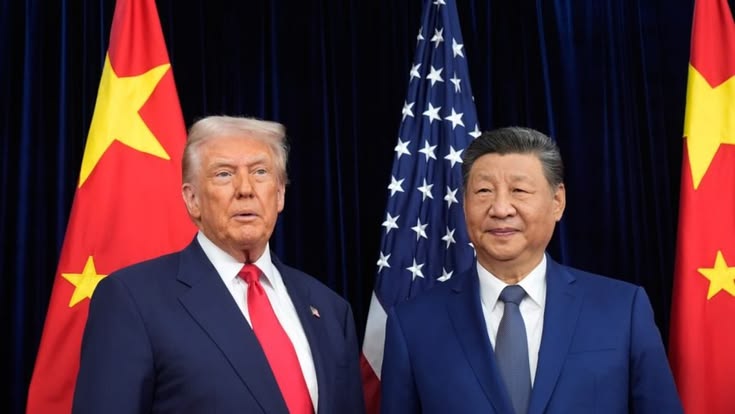
Washington is privately warning Beijing against retaliating in the widening trade dispute, while also suggesting that China request a direct call between President Xi Jinping and President Donald Trump to help de-escalate tensions. The mixed message highlights the delicate balance between increasing economic pressure and preventing another full-scale tariff confrontation.
The immediate dispute centres on U.S. restrictions affecting Chinese drones and related components. Beijing has urged Washington to withdraw the Section 232 tariffs, calling them discriminatory and harmful to Chinese companies. China has also responded with export controls, sanctions and investigations targeting U.S. firms, raising concerns that the technology conflict could spread beyond tariffs.
Washington’s private warning appears intended to discourage a larger retaliation before a possible Trump–Xi meeting. Both governments have an incentive to keep channels open: the United States wants to protect technology and supply-chain priorities, while China wants to preserve access to major export markets and avoid additional restrictions on advanced equipment.
The diplomatic tension is also connected to the Iran crisis. Bessent has indicated that Washington may pressure countries trading with Tehran, while China has opposed broader sanctions and called for a political solution. This creates an additional source of friction because China is a major buyer of energy and maintains important economic ties across the region.
Markets are likely to react to the tone as much as to the policies themselves. A confirmed Trump–Xi call or evidence of renewed negotiations could support Chinese equities, the yuan and broader risk sentiment. Conversely, new tariffs, export controls or formal retaliation could pressure the yuan, technology shares and trade-sensitive currencies such as the Australian dollar.
Investors should monitor USD/CNH, Hong Kong equities, semiconductor stocks, U.S. Treasury yields and industrial commodities. A weaker yuan alongside falling Asian technology shares would signal that markets are pricing in escalation. A stronger yuan and recovery in Chinese equities could indicate that investors expect diplomacy to limit the damage.
The key question is whether private warnings lead to restraint or simply delay retaliation. For now, Washington and Beijing appear to be applying pressure while keeping a diplomatic exit available. That narrow space between confrontation and negotiation will remain one of the most important drivers of Asian markets.
Report Author
View Research Team →