



weekly updates
Global Markets Under Pressure as U.S.–Canada Trade Talks Collapse
By ashusharma02•Published: 2026-08-24•6 min read
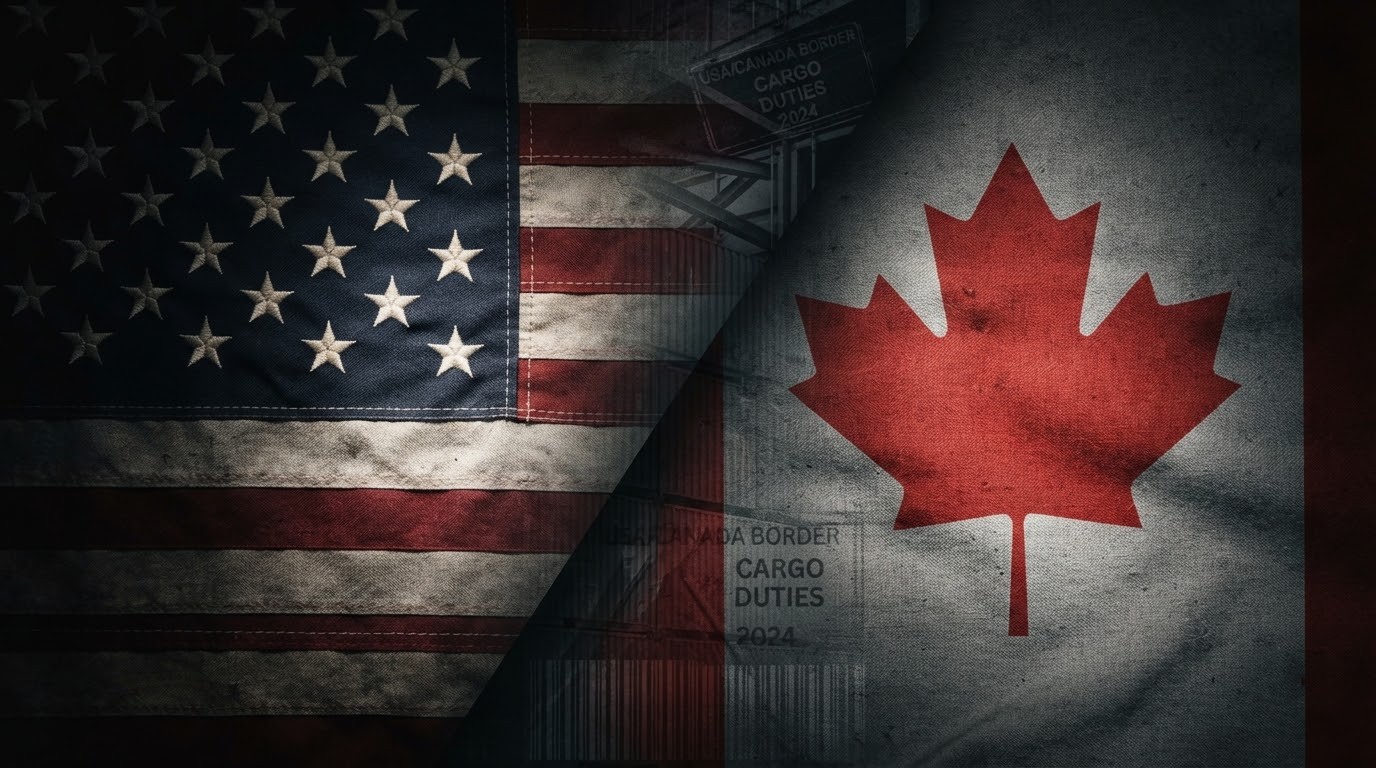
Global markets began the week under pressure after U.S.–Canada trade talks collapsed, reviving fears of a wider North American trade conflict. The United States imposed 50% tariffs on selected Canadian goods after negotiations failed, while Canada said it would respond with equivalent tariffs from September 8.
The measures initially target roughly $20 billion of Canadian imports, including products such as steel, aluminium, electronics, cement, clothing, dairy and consumer goods. Although the affected goods represent only a portion of total bilateral trade, the breakdown is significant because the U.S. and Canada have deeply integrated supply chains, particularly in automobiles, energy, metals and manufacturing.
Markets are concerned about three potential consequences. First, tariffs can raise the cost of imported goods and components. Companies may pass those costs to consumers, absorb them through lower margins or seek alternative suppliers. Second, retaliation can reduce exports and disrupt production on both sides of the border. Third, the escalation increases uncertainty, encouraging businesses to delay investment and investors to reduce exposure to cyclical assets.
Asian equities are particularly sensitive to this development because many economies depend on global trade and manufacturing demand. When investors fear that tariff disputes will spread, technology, semiconductor, industrial and consumer shares often face selling pressure. The latest weakness in Asian markets has already been amplified by concerns about AI valuations and elevated bond yields.
The Canadian dollar is likely to remain a key market indicator. A prolonged dispute could pressure CAD by raising concerns about Canadian exports, business confidence and economic growth. However, higher commodity prices or a broader risk-on recovery could provide partial support. The U.S. dollar may initially benefit from safe-haven demand, but higher import costs and retaliation could also complicate the Federal Reserve’s inflation outlook.
For traders, the important signals are USD/CAD, Canadian government yields, North American equities, industrial metals and oil. A fall in USD/CAD would suggest confidence that the dispute can be resolved, while a sustained rise could indicate worsening concerns about Canada’s growth outlook.
The immediate market impact may be limited by the relatively narrow range of products covered. The larger risk is escalation. If negotiations restart, markets could quickly recover. If additional sectors or broader tariffs are introduced, the dispute could become another source of inflation, slower growth and prolonged global risk aversion.
Report Author
View Research Team →