



weekly updates
Federal Reserve Releases Latest Discount-Rate Meeting Records
By ashusharma02•Published: 2026-09-01•6 min read
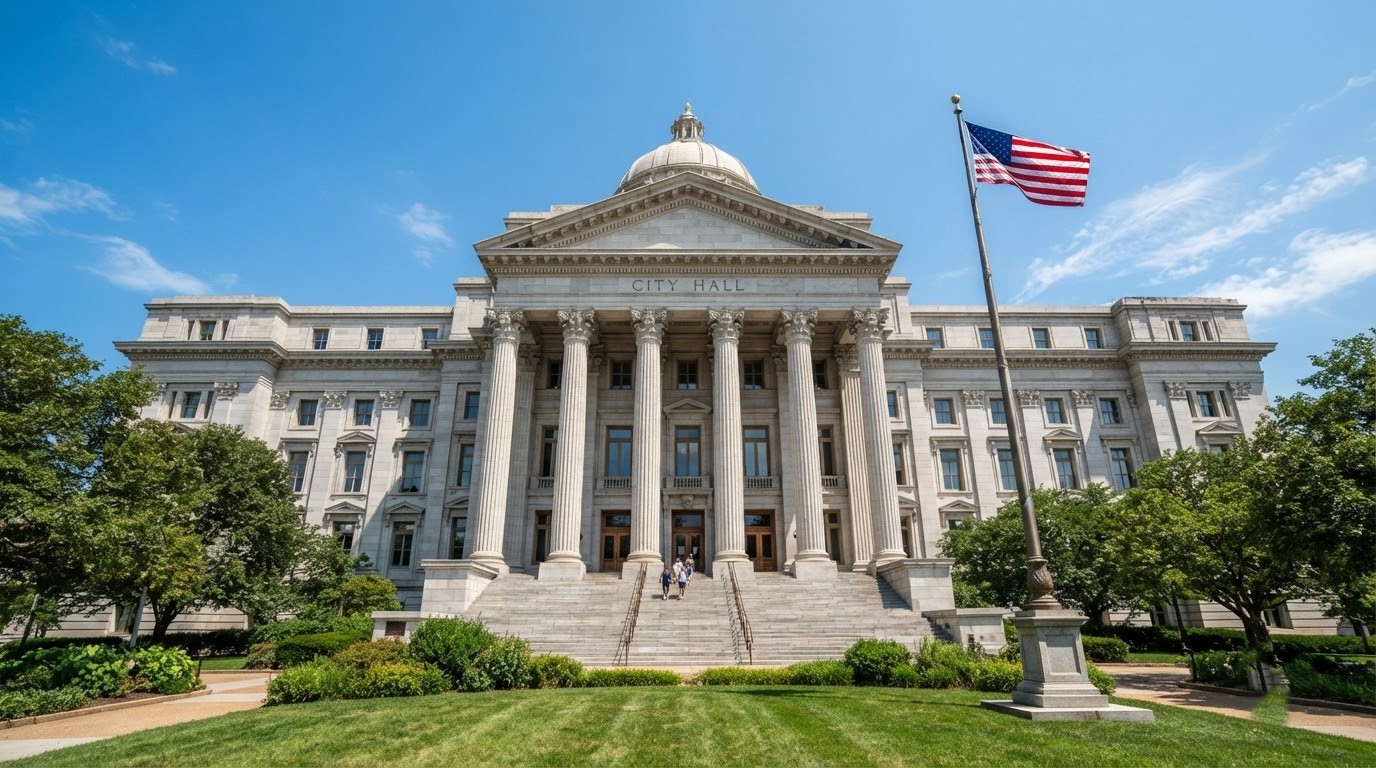
The Federal Reserve has published minutes from its July discount-rate meetings, revealing deeper internal divisions over monetary policy than the public vote suggested. The records show that directors at four of the twelve regional Federal Reserve Banks—Cleveland, Minneapolis, Kansas City and Dallas—voted to raise the primary credit rate by 25 basis points to 4% ahead of the July 28–29 policy meeting.
The Board of Governors held the discount rate steady at 3.75% at both the July 20 and July 29 meetings, in line with the Federal Open Market Committee’s decision to keep the federal funds target range unchanged at 3.50%–3.75%. The seven governors—Chairman Warsh, Vice Chair Jefferson, Vice Chair for Supervision Bowman and Governors Powell, Waller, Cook and Barr—voted unanimously to maintain the rate.
The discount rate is the interest rate charged to commercial banks for short-term emergency loans through the Fed’s discount window. While it is a secondary tool compared with the federal funds rate, changes in the discount rate can signal how regional banks view financial conditions and the need for tighter policy.
The minutes indicate that the split within the system widened over a nine-day period. At the July 20 meeting, only two regional banks had backed a hike. By July 29, the number had grown to four, suggesting that support for higher rates was building inside the Fed even as the Board chose to hold.
For markets, the disclosure adds another layer to the hawkish shift already visible after Chairman Warsh’s Jackson Hole speech. Traders have increased the implied probability of a September rate hike to around 60%, and the discount-rate records reinforce the view that some policymakers are concerned about persistent inflation and financial conditions.
The next FOMC meeting is scheduled for September 15–16, accompanied by a fresh Summary of Economic Projections. In the weeks beforehand, regional banks will submit new discount-rate requests, providing another test of whether the group favouring tighter policy continues to grow.
Investors should watch U.S. Treasury yields, the Dollar Index and money-market pricing for confirmation. A continued rise in short-term yields alongside stronger dollar performance would suggest that markets are accepting a more hawkish Fed path. A reversal in yields or a failure of the dollar to hold gains would indicate that traders remain unconvinced.
The key takeaway is that the July hold was more contested than the 9–3 FOMC vote implied. With four regional banks now pushing for a higher discount rate, the Fed’s internal debate over inflation, growth and policy tightness remains very much alive.
Report Author
View Research Team →